
After installing OEM covers and modules on semi-assembly headlights, fogging may appear inside. It’s essential to distinguish between Normal Condensation and Faulty Water Ingress.
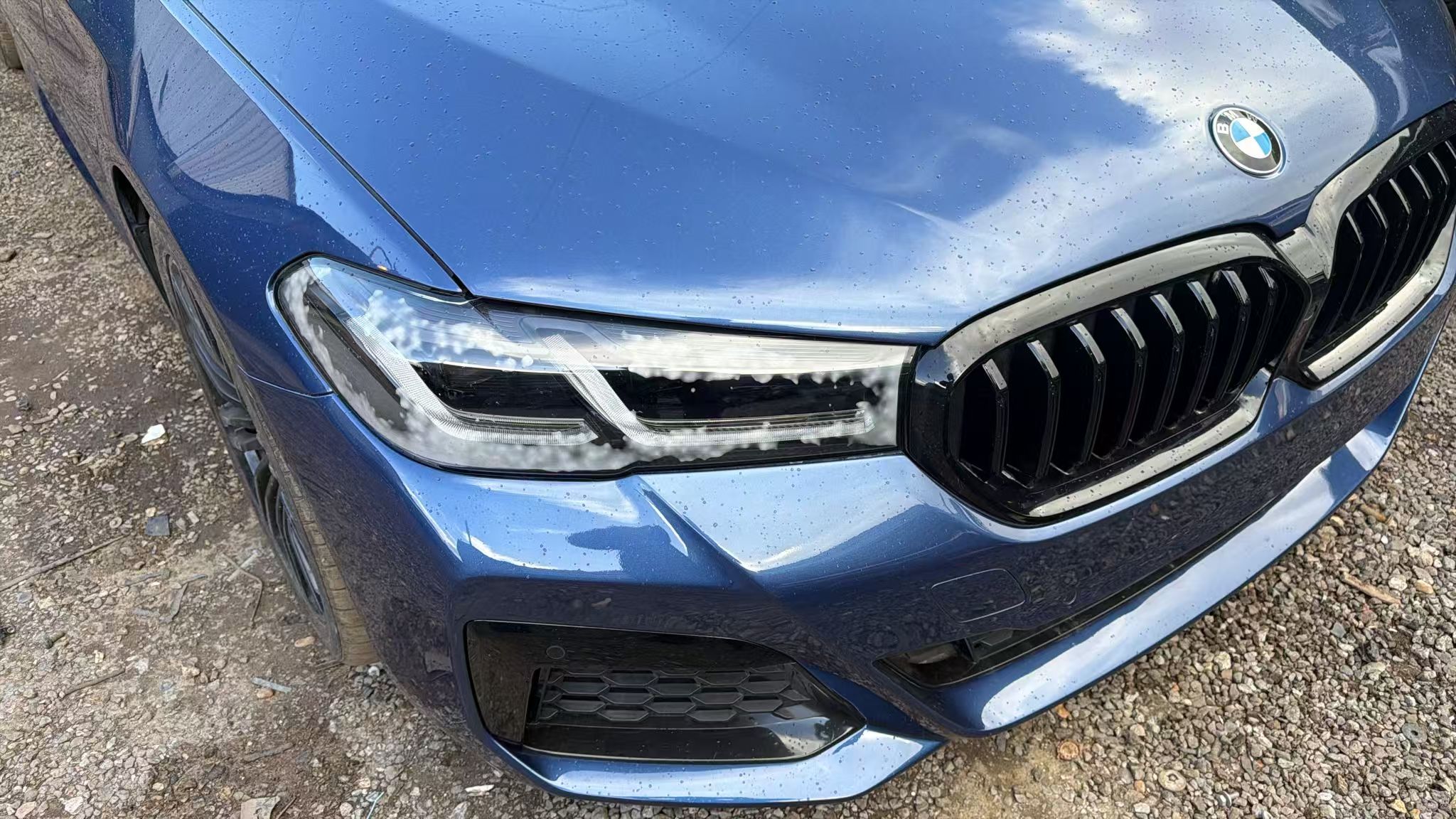
1. Normal Mild Fogging (No Repair Required)
Headlights are not hermetically sealed; they feature breathable balance holes (ventilation membranes) to equalize temperature and pressure.
Symptoms:
- Thin mist on the inner lens, typically at the top or corners.
- Dissipates within 10–30 minutes after turning on the lights.
- No standing water or flow marks.
- Likely to occur after rain or car washes.
Cause: Physical condensation due to temperature differences (e.g., cold water on hot housing), not a mechanical failure.
2. Faulty Water Ingress (Seal Failure)
Symptoms:
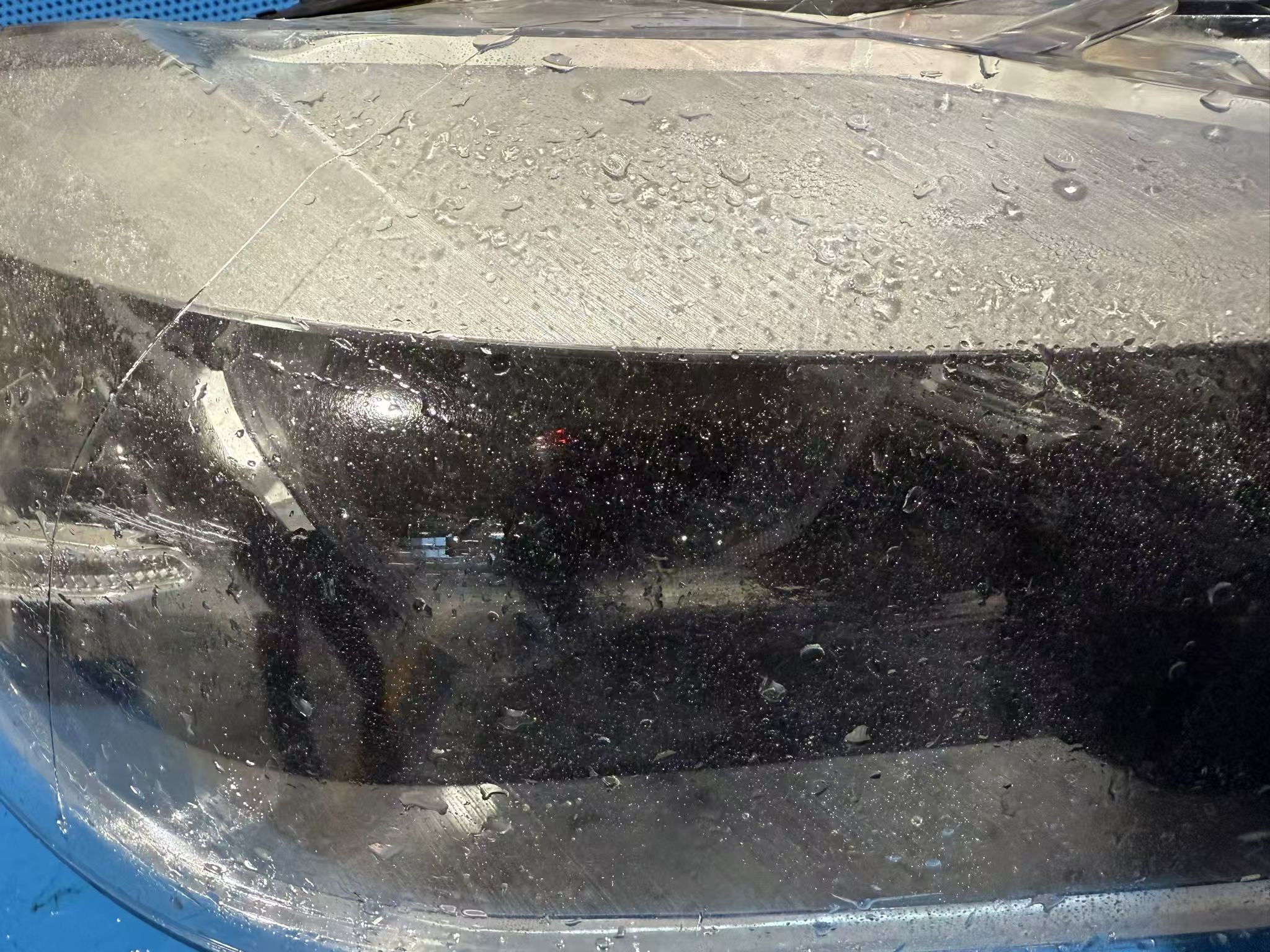
- Accumulation of water at the bottom of the lens or clear water flow marks inside.
- Fogging persists after 30 minutes of operation.
Root Cause: Sustained water entry due to damage in seals, housing, or ventilation structure.
Note: If water ingress is detected, contact us immediately for technical support and handling. Do not scrap the headlight yourself.
3. Troubleshooting Solutions
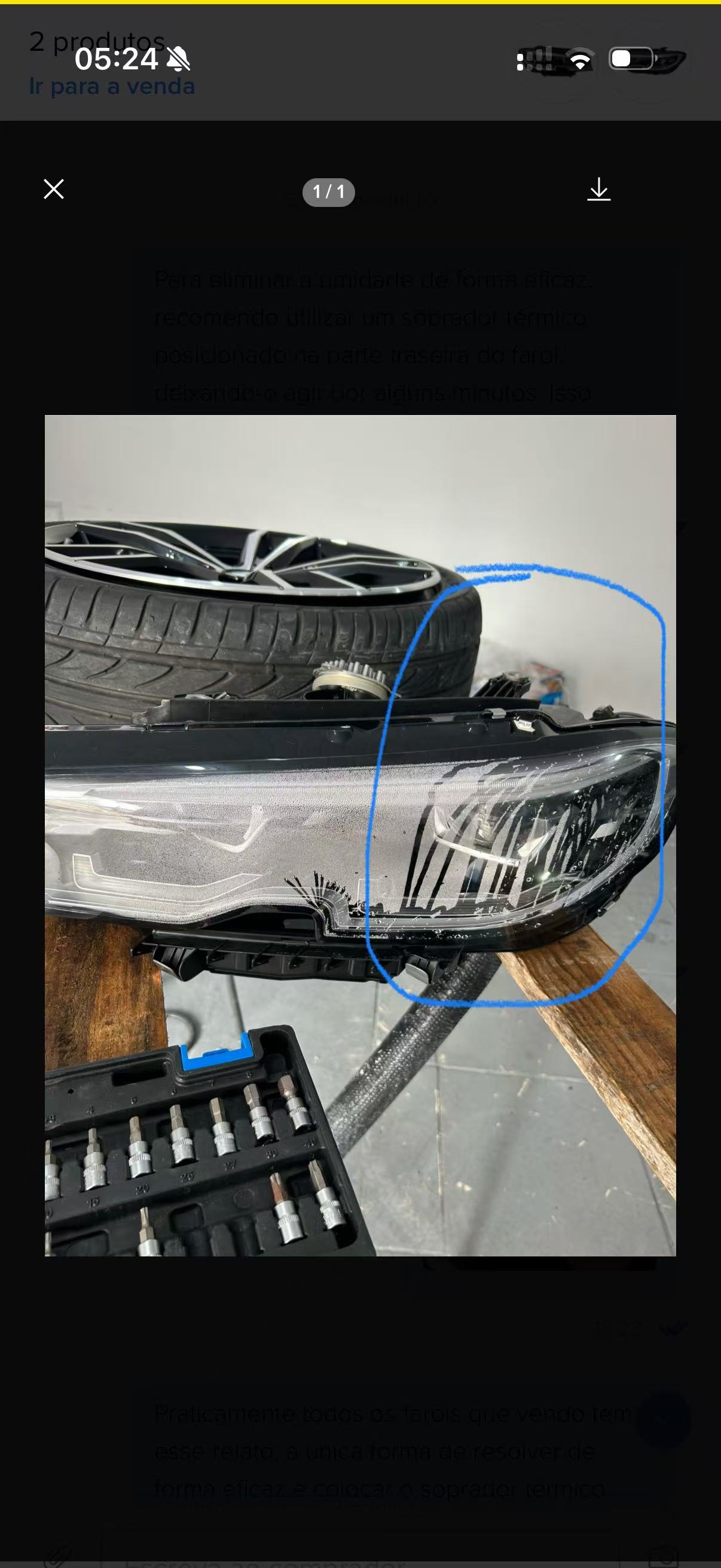
Case 1: Mild Fogging (Normal Condensation)
(Thin mist, no accumulation, clears in 30 mins)
- Keep headlights on for 30–40 minutes to dry out moisture using heat.
- In a ventilated environment, remove the rear cover and let it sit for 2 hours to naturally dehumidify before reassembling.
- Remove all modules and covers, then use a hair dryer to blow warm air directly into the module/cover ports for 30–50 minutes. Allow it to cool naturally.
Case 2: Moderate Fogging (Leakage/Seal Failure)
(Persistent fogging, small droplets at the bottom, heat doesn’t clear it)
Repair Steps:
- Replace with new waterproof vent plugs and clear any debris from vent holes.
- Replace all rubber seal rings on the rear cover. Apply a thin layer of silicone-based waterproof grease and tighten the cover.
- Place a desiccant packet inside the rear cover area, leave for 24 hours to dry, then remove and test.